Jellyfish in Australia: Where the Stingblade Story Began
with Dianne, Capt Stingblade’s Mother
Dianne, Capt Stingblade aka Mark Dyer’s mother, reflects on growing up around Australia’s coastline and the jellyfish encounters that have been part of family life for generations. From Sydney’s North Shore to a new generation of jellyfish sting protection. A family connection to the sea, the Australian coastline and the jellyfish sting problem that inspired Stingblade.
“We had our jellyfish moments on the beach, everyone had their own ‘cure’ or treatment at the ready.”
Dianne, Capt Stingblade’s mother
As Stingblade makes its way to Australia, we spoke to Dianne, Capt Stingblade, Mark Dyer’s mother about growing up around Sydney’s beaches, jellyfish and the ocean that has been part of her life for generations.
For Dianne, the Australian coastline has always been part of life.
Long before her son, Mark Dyer, created Stingblade, Dianne was growing up around the beaches of Sydney’s North Shore, swimming in the Pacific Ocean and learning, like so many Australians, to keep an eye on what was in the water.
Jellyfish were simply part of the experience.
“We had our jellyfish moments on the beach,” Dianne recalls. “Everyone had their own ‘cure’ or treatment at the ready.”
It was a different time, when families and lifesavers relied on the remedies they knew. One of those remedies was something perhaps unexpected, Dianne recalls,
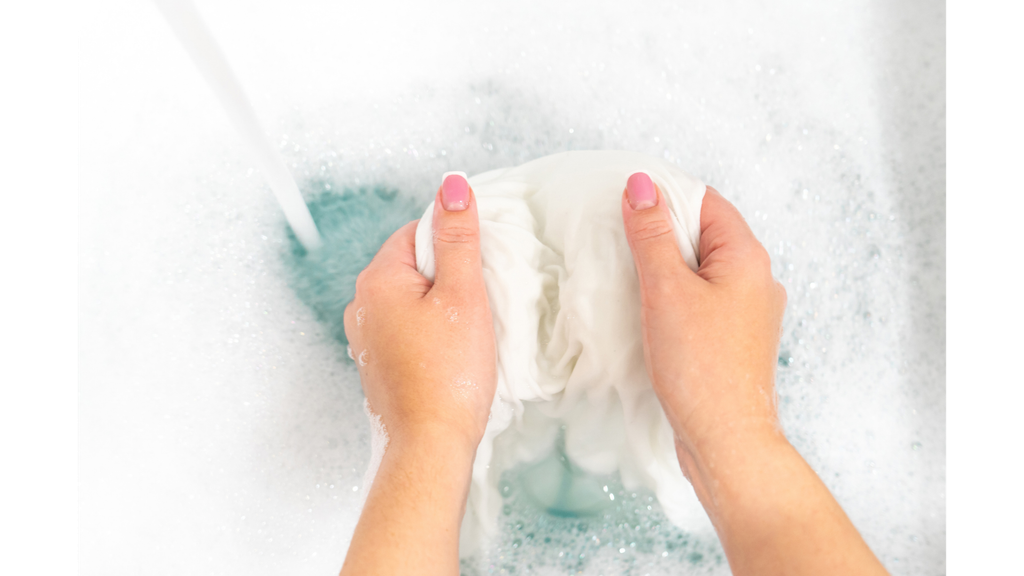
“My mother and the lifesavers also used Reckitts Blue – a product traditionally used in the weekly wash to make sheets whiter!”
For Dianne and her family, the jellyfish stings were the real concern.
Learning to watch the sea
Growing up around Sydney’s northern beaches, Dianne remembers encountering bright blue jellyfish with long trailing tentacles that could wind around swimmers in the surf.
“They were very difficult to avoid,” she says, “but one learned to be watchful.”
Swimming was a huge part of life, but so was understanding the ocean.
Dianne remembers that her family would often swim in the surf and rougher water, which was then believed to offer greater protection from sharks. Around Sydney’s North Shore, there were also smaller harbour beaches and enclosed areas where people could swim.
The ocean was something to enjoy but it was something to respect too. And jellyfish were only one part of that equation.
When the jellyfish arrive in Australia
Dianne also remembers periods when other species would appear in huge numbers.
One of the most striking memories was seeing Portuguese man o’ war jellyfish take over large areas around the Hawkesbury River, near the Palm Beach and Pittwater area.
“I have seen these absolutely take over some huge areas,” she recalls. “That’s a scary sight and no way would one enter that water.” Further north, along the Queensland coast, Dianne remembers that there were certain times of year when the conditions were such that you simply did not go swimming in the sea.
For Australians, these seasonal encounters with jellyfish are more than an occasional holiday inconvenience. They are part of understanding the coastline and learning when it is safe to enter the water.
A connection that came full circle
Decades later, Dianne watched her son Mark develop his own relationship with the ocean.
What began with a problem experienced in the water became an idea, and that idea became Stingblade.
A little bit of homecoming for Stingblade
Australia was where Dianne first learned to watch the water. It was where she experienced jellyfish on the beach, saw lifesavers respond to stings, and learned that the ocean could be both beautiful and unpredictable.
Now, generations later, her son has created a product inspired by that same environment.
Perhaps that makes this a little like homecoming. Stingblade is arriving with a sting solution to the jellyfish in Australia, and we would be coming up with more updates.
This website uses cookies to improve the user experience. By using this website you agree to our use of cookies on this device in accordance with our privacy policy unless you have disabled them.